


Ultimate Guide: Kyoto Kimono Rental 2026 (Everything You Need to Know)
In this guide
- Why Rent a Kimono in Kyoto?
- Best Areas for Kimono Rental
- How to Compare Kimono Rental Shops
- Kimono Rental Plans & Pricing
- How to Choose the Right Kimono
- Best Photo Spots in Kyoto
- Seasonal Kimono Guide
- Tips for First-Time Visitors
- What's Included in a Rental
- How to Book & Cancel
- Frequently Asked Questions
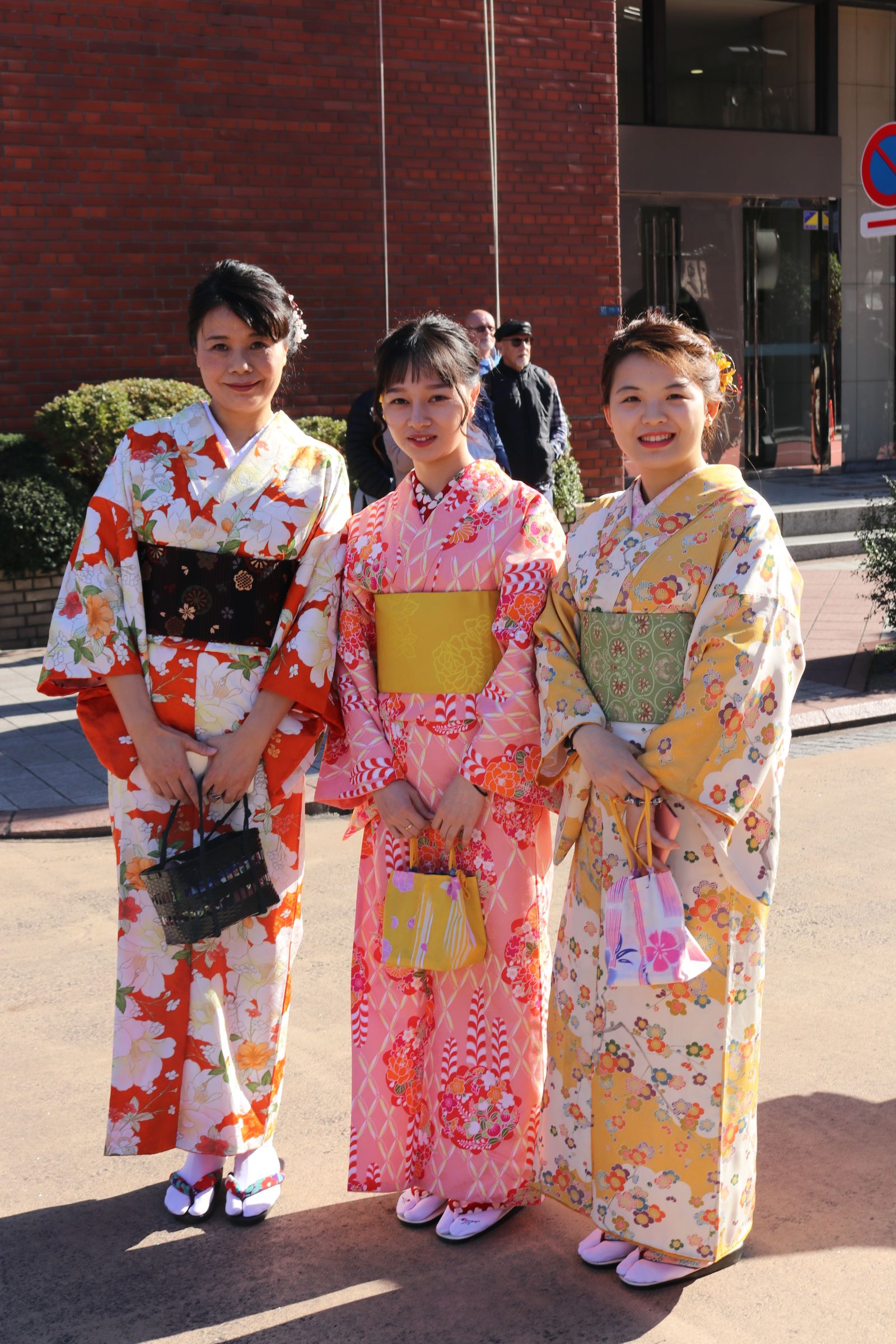
Walking through the centuries-old streets of Kyoto in a traditional kimono is not just a photo opportunity — it is a cultural immersion that transforms your visit from observation to participation. With over 400 kimono rental shops across the city, choosing the right one can feel overwhelming. This guide covers everything you need to know about kimono rental in Kyoto in 2026, from pricing and location selection to photo spots and seasonal tips, based on the experience of Kanwa Kimono serving 20,000+ guests per year in the Kiyomizu-dera and Gion districts.
1. Why Rent a Kimono in Kyoto?
Kyoto is the cultural heart of Japan, and wearing a kimono here is different from anywhere else in the country. The preserved machiya townhouses, stone-paved alleys, and ancient temples create a backdrop that makes the kimono feel like a natural extension of the environment rather than a costume.
Cultural Immersion, Not Just a Photo
When you put on a kimono, you experience a small piece of Japanese culture firsthand. The way the fabric moves, the precision of the obi knot, the sound of geta sandals on stone — these sensory details connect you to centuries of tradition. Many visitors describe it as the most memorable part of their Japan trip.
Access to Restricted Areas
Some temples and shrines in Kyoto offer special access or discounts to visitors wearing kimono. The Kimono Passport program, recognized at various locations across the city, provides perks including reduced entrance fees and free tea ceremonies at participating venues.
Social Media and Memories
Let's be honest — the photos are spectacular. Kyoto's historic districts offer Instagram-worthy backdrops at every turn, and a kimono elevates every shot. Whether you are traveling solo, as a couple, or with family, the images from your kimono day will be among the most treasured from your Japan trip.
2. Best Areas for Kimono Rental in Kyoto
The area you choose for kimono rental matters as much as the shop itself, because it determines where you will walk and photograph after dressing. Kyoto has four main kimono rental districts, each with a distinct character.
Kiyomizu-dera Area (Higashiyama) — Best Overall
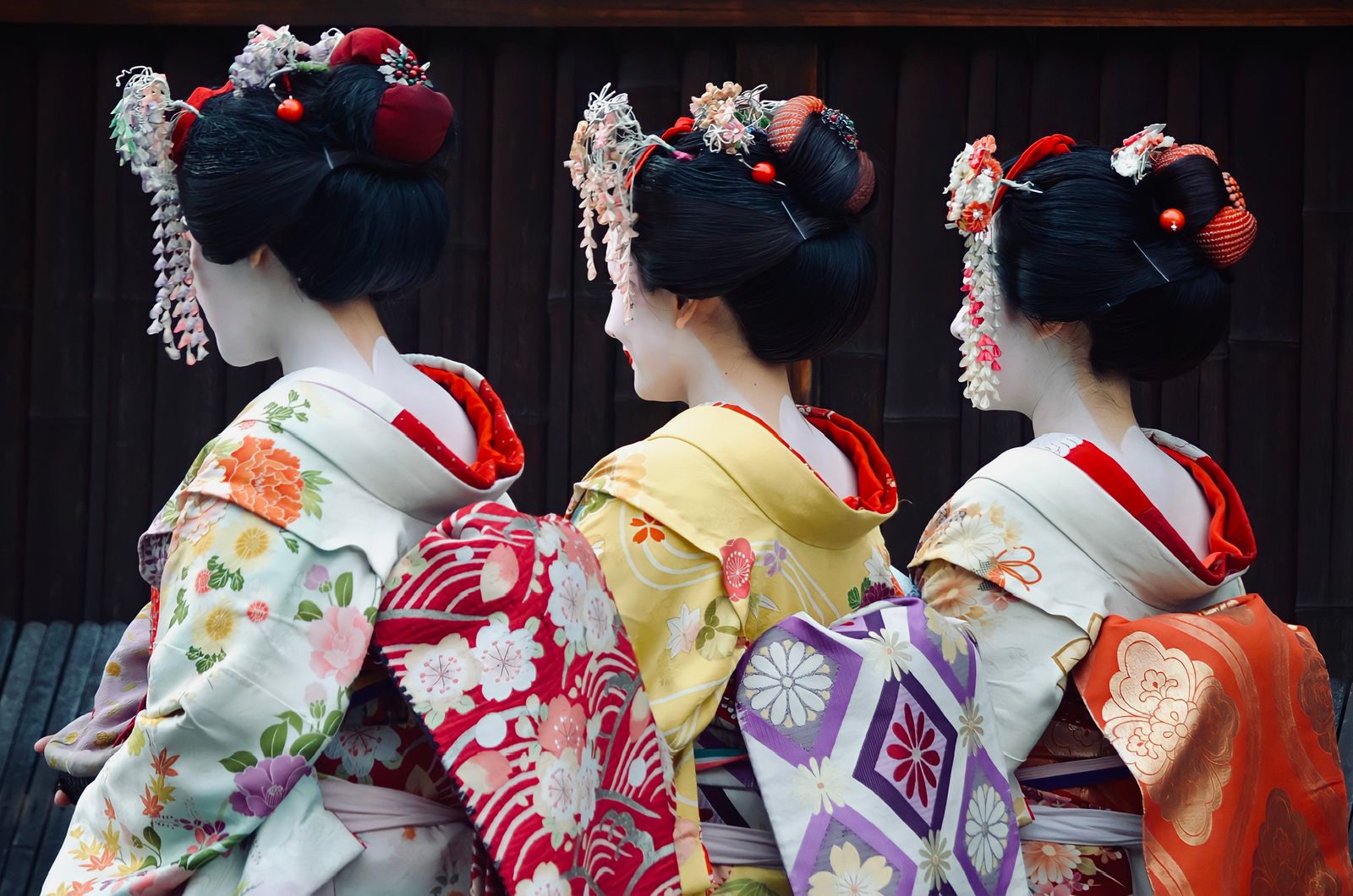
The slope leading up to Kiyomizu-dera Temple — including the famous Ninenzaka and Sannenzaka streets — is the most photographed street in Kyoto and arguably in all of Japan. The stone-paved alleys lined with wooden machiya buildings create an authentic Edo-period atmosphere. This is where Kanwa operates its Kiyomizu store, just a 5-minute walk from the temple entrance.
Advantages: Walking access to Kiyomizu-dera, Yasaka Pagoda, Sannenzaka, Ninenzaka, and Kodai-ji Temple. Dense concentration of photo spots within a 15-minute walk.
Gion District — Best for Atmosphere
Gion is Kyoto's most famous geisha district. The preserved machiya facades along Hanamikoji-dori and the willow-lined Shirakawa Canal create an atmosphere found nowhere else. Kanwa's Yasaka store sits just 3 minutes from Yasaka Shrine and the heart of Gion.
Advantages: Chance of glimpsing geiko and maiko in the late afternoon, the iconic Yasaka Pagoda view, and access to Maruyama Park for seasonal photography.
Arashiyama — Best for Nature
Located in western Kyoto, Arashiyama is famous for its bamboo grove and the Togetsukyo Bridge. Several rental shops operate here, and the natural setting provides a contrast to the urban historic districts.
Considerations: Arashiyama is farther from central Kyoto (about 25 minutes by train), so plan your itinerary accordingly if you also want to visit Fushimi Inari or Gion on the same day.
Kyoto Station Area — Best for Convenience
Several large rental chains have stores near Kyoto Station, ideal if you arrive by Shinkansen and want to start immediately. However, you will need to take a bus or taxi to reach the historic districts for photography.
| Area | Best For | Walk to Photo Spots | Crowd Level |
|---|---|---|---|
| Kiyomizu-dera | First-time visitors | 5 min | High (morning best) |
| Gion | Atmosphere & culture | 3 min | Medium-high |
| Arashiyama | Nature photography | 10 min | Medium |
| Kyoto Station | Convenience | Requires transit | Low at shop |
3. How to Compare Kimono Rental Shops in Kyoto
With over 400 kimono rental shops in Kyoto, how do you choose? Beyond price, several factors determine whether your experience will be smooth or frustrating. Here is the comparison framework we recommend, based on feedback from thousands of international visitors.
Key Comparison Factors
| Factor | Why It Matters | What to Look For |
|---|---|---|
| Location | Determines walking distance to photo spots | Within 10-min walk of Kiyomizu-dera, Gion, or Arashiyama |
| Price transparency | Hidden fees can double your bill | All-inclusive pricing; hair styling and accessories included |
| Kimono selection | More choices = better photos | 500+ designs minimum; seasonal rotation |
| Language support | Communication during dressing | English and Chinese speaking staff on-site |
| Reviews | Real guest experiences | 4.5+ stars on Google and Klook; 100+ reviews |
| Return policy | Flexibility for evening plans | Free next-day return; late return options |
| Luggage storage | Convenience for travelers | Free storage for suitcases and bags |
| Dressing expertise | Comfort and appearance | Staff with 5+ years of professional experience |
Major Kyoto Kimono Rental Shops Compared
Here is how the main rental shops in Kyoto compare on the factors that matter most to international visitors:
| Shop | Area | Price From | Selection | Languages | Reviews |
|---|---|---|---|---|---|
| Kanwa | Kiyomizu-dera + Gion | ¥3,300 | 500+ | JP/EN/CN | 4.9 (442+) |
| Wargo | Multiple (20+ stores) | ¥3,000 | 4,000+ | JP/EN/CN/KR | 4.8 (148+) |
| Yumeyakata | Gojo | ¥3,080 | 500+ | JP/EN/CN | 4.7+ |
| Okamoto | Kiyomizu-dera | ¥2,980 | 1,000+ | JP/EN | 5.0 (12+) |
| VASARA | Kyoto Station | ¥2,980 | Large | JP/EN/CN | 4.5+ |
Red Flags to Avoid
- No online booking system — suggests the shop may not be equipped for international visitors
- Prices significantly below ¥3,000 — may indicate worn or limited kimono selection
- No reviews on Google or Klook — newer or less established shops may lack quality consistency
- Single location far from photo spots — you will spend time and money on transit instead of enjoying your kimono day
- Staff cannot communicate in your language — the dressing process involves choices about fit, comfort, and style that require clear communication
4. Kyoto Kimono Rental Plans & Pricing
Understanding kimono rental pricing helps you avoid surprises. Entry-level plans typically run ¥3,100–¥4,200, while premium options can reach ¥18,000 or more. The key is knowing what each tier includes and where hidden fees may appear.
Price Tiers Explained
Basic Plans (¥3,100–¥4,200): Include the kimono or yukata, obi sash, sandals (geta or zori), tabi socks, and a small bag. These are perfect for budget-conscious travelers who want the core experience. Hair styling may cost extra at some shops.
Standard Plans (¥4,200–¥6,600): Add more kimono design options, fuller accessory sets, and often include basic hair styling. Good balance of value and variety.
Premium Plans (¥6,600–¥16,800): Include designer fabrics, lace decorations, premium obi options, and full hairstyling. The furisode (formal long-sleeve kimono) sits at the top of this range.
Luxury Plans (¥16,800+): Silk kimono, antique designs, professional photography packages, and full cultural experiences including tea ceremonies.
Kanwa's Plan Lineup
| Plan | Price | Best For | Includes |
|---|---|---|---|
| Komon Kimono | ¥3,300 | Budget & first-timers | Kimono, obi, sandals, tabi, bag, basic hair styling |
| Summer Yukata | ¥3,300 | Summer festivals | Yukata, obi, geta, bag, hair styling |
| Lace Kimono | ¥6,800 | Modern aesthetic | Lace kimono, obi, accessories, premium hair styling |
| Houmongi/Tomesode | ¥12,800 | Formal elegance | Formal kimono, premium accessories, full styling |
| Furisode Kimono | ¥16,800 | Luxury experience | Furisode, premium obi, full accessories, styling |
| Men's Kimono | ¥5,500 | Male travelers | Kimono (sizes 155-190cm), obi, sandals, bag |
4. How to Choose the Right Kimono
With 500+ designs available at most major shops, the selection process can feel daunting. Here is a practical framework for choosing the right kimono for your Kyoto experience.
By Occasion
- Sightseeing and casual photos: Komon (everyday pattern) or casual kimono. Comfortable, lightweight, and easy to walk in.
- Special occasion or anniversary: Houmongi or furisode. More formal with elegant patterns that make a statement.
- Summer festivals: Yukata. Lighter, cooler, and the standard choice from June through September.
- Couples: Coordinated colors or complementary patterns. Many shops offer couple packages with a 10–15% discount.
By Season
- Spring (March–May): Cherry blossom patterns, light pinks and whites. Layer with haori (short jacket) for cooler mornings.
- Summer (June–August): Yukata in cotton or linen. Floral patterns, bright blues and purples. Essential for festival season.
- Autumn (September–November): Maple leaf patterns, warm oranges and reds. The most photogenic season for kimono photography.
- Winter (December–February): Heavier fabrics, darker tones with gold accents. Ask about winter lining options.
Color and Pattern Tips
For the best photos against Kyoto's wooden and stone backgrounds, consider these color principles:
- Warm tones (red, orange, gold) pop against the gray stone and dark wood of temples.
- Cool tones (blue, purple, green) create a serene, elegant look against autumn foliage.
- Solid colors with subtle patterns photograph cleanly and do not compete with architectural backgrounds.
- Bold patterns work best in simpler settings like bamboo groves or open temple grounds.
For Men and Children
Men's kimono options have expanded significantly. Kanwa offers sizes from 155cm to 190cm, with both traditional and modern designs. Children's kimono are available at most shops — family packages typically offer the best value.
5. Best Photo Spots in Kyoto (Within Walking Distance)
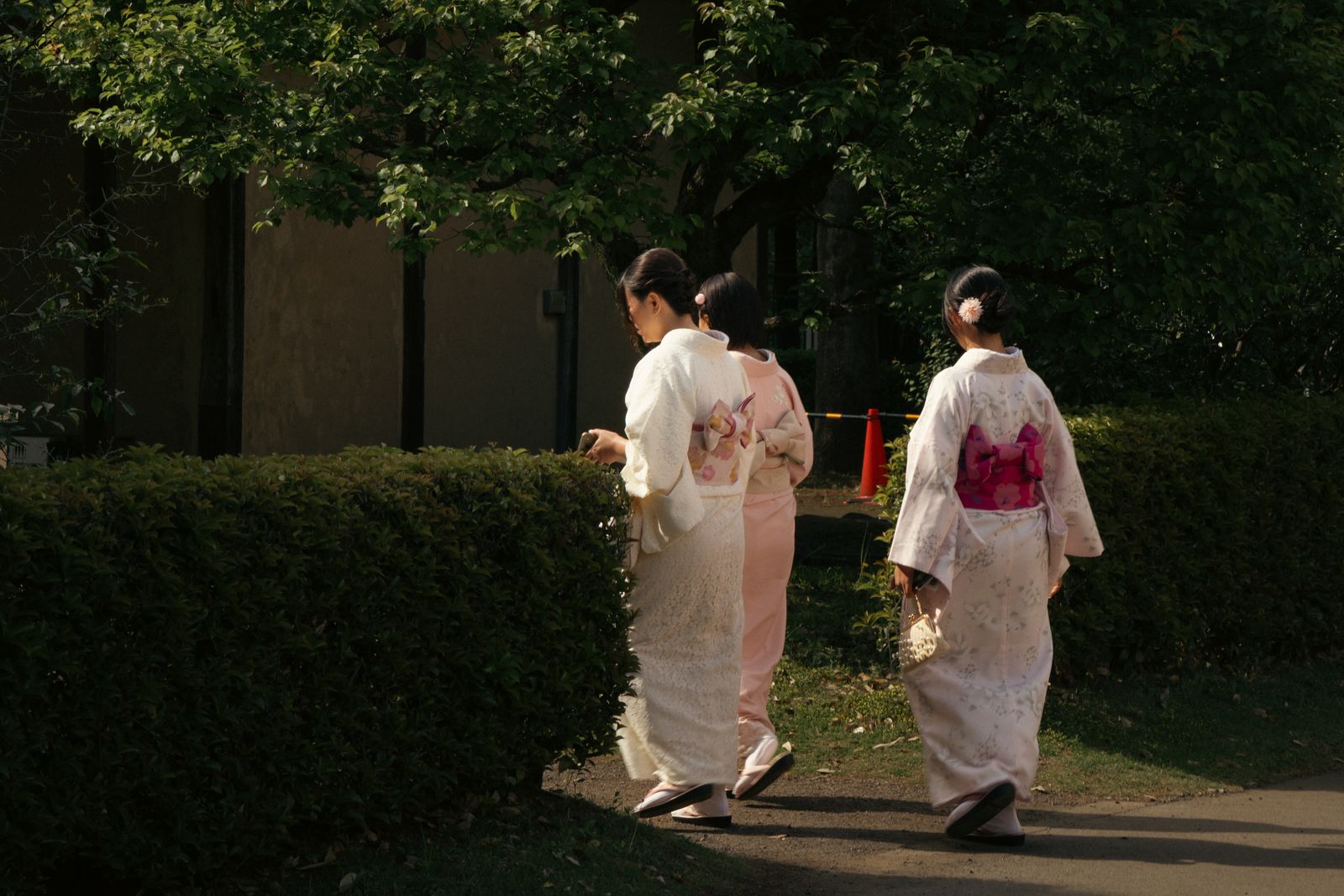
One of the biggest advantages of renting near Kiyomizu-dera or Gion is the concentration of world-class photo spots within walking distance. Here are the top five, all reachable on foot from Kanwa's stores.
1. Kiyomizu-dera & Sannenzaka (5-minute walk)
The ultimate Kyoto kimono photo location. The wooden stage of Kiyomizu-dera offers panoramic city views, while the stone steps of Sannenzaka create the classic Kyoto street scene. Best time: Arrive by 9:00 AM to avoid crowds. The eight-story Yasaka Pagoda (Hokan-ji) visible from Sannenzaka is the most Instagram-tagged Kyoto landmark.
3. Gion Hanamikoji Street (3-minute walk)
The preserved machiya facades and lattice doors of Hanamikoji create an authentic geisha-district backdrop. In the late afternoon (4:00–5:30 PM), you may glimpse geiko and maiko heading to evening engagements. Photography etiquette: Always be respectful — do not block their path or chase them for photos.
4. Yasaka Pagoda / Hokan-ji (5-minute walk)
The 46-meter pagoda is one of Kyoto's most iconic structures. The view from the base, with the pagoda towering above traditional rooftops, is stunning at any time of day. For the best light, visit in the morning when the sun illuminates the eastern face.
5. Fushimi Inari Shrine (15-minute train ride)
While not walking distance, the thousand red torii gates of Fushimi Inari create an unforgettable contrast with any kimono color. Take the train from Gion-Shijo Station (2 stops) and allow at least 90 minutes. Walk up to the Yotsutsuji intersection for views over the city — fewer crowds and a stunning panorama.
5. Arashiyama Bamboo Grove (25-minute train ride)
The towering green bamboo creates a surreal, ethereal setting that pairs beautifully with kimono. Best photographed in the early morning before tour groups arrive. Combine with a visit to the Togetsukyo Bridge for riverside shots.
Posing Tips for Kimono Photos
- Hands: Keep fingers together and slightly curved — this is the traditional "oshashi" hand pose.
- Posture: Stand straight with shoulders relaxed. The kimono's structure rewards good posture.
- Movement: Walk slowly and let the photographer capture natural movement. The obi and sleeves create beautiful motion when walking.
- Fan: Many rentals include a folding fan — use it as a prop to add variety to poses.
6. Seasonal Kimono Guide: When to Visit
Kyoto's four distinct seasons each offer a unique kimono experience. Choosing the right season affects not only the scenery but also comfort, crowds, and pricing.
Spring (Late March–April): Cherry Blossom Season
The most popular time for kimono rental. Pink and white cherry blossoms create a dreamy backdrop. Book 2–3 months in advance — this is peak season and shops fill up fast. Best photo spots: Maruyama Park (next to Gion), Philosopher's Path, and Hirano Shrine.
Summer (June–August): Yukata Season
From late June, most shops switch to yukata — the lighter, cotton version of the kimono. Summer is festival season in Kyoto, with the Gion Matsuri (July 1–31) being the highlight. Wearing a yukata to a festival is a quintessentially Japanese experience. Tip: Kyoto summers are hot and humid; yukata is significantly more comfortable than a full kimono.
Autumn (November–early December): Foliage Season
The second peak season. Maple trees turn brilliant red and orange, creating breathtaking contrasts with kimono. Kiyomizu-dera and Tofuku-ji Temple are the top foliage viewing spots. Book 4–6 weeks in advance. Warm tones (red, gold, deep green) photograph beautifully against autumn leaves.
Winter (December–February): Quiet Beauty
The off-season offers a quieter, more intimate experience. Fewer crowds mean more relaxed photography. Some shops offer winter lining (juban) for warmth. If it snows — a rare but magical event — the combination of kimono and snow-covered temples creates once-in-a-lifetime photos.
| Season | Best For | Crowds | Booking Lead Time |
|---|---|---|---|
| Spring (Cherry blossom) | Romantic photos | Very high | 2-3 months |
| Summer (Festivals) | Cultural immersion | High | 3-4 weeks |
| Autumn (Foliage) | Color photography | Very high | 4-6 weeks |
| Winter | Quiet experiences | Low | 1-2 weeks |
7. Tips for First-Time Kimono Rental
Based on serving 20,000+ guests annually, here are the insider tips that make the difference between a good and great kimono experience.
Booking Tips
- Book the first morning slot (9:00 AM) for the best kimono selection and fewest crowds at photo spots. Some shops charge a ¥200–¥1,000 premium for this slot, but it is worth it.
- Reserve online 2–3 days in advance during regular periods, 4–6 weeks during peak season (April, November).
- Choose a shop within walking distance of your planned photo spots. Walking in geta sandals is manageable but not ideal for long distances.
What to Wear and Bring
- Wear a thin, fitted top — the kimono wraps tightly and bulky clothing creates lumps. A camisole or thin t-shirt works best.
- Avoid tight necklines — the kimono collar sits low on the neck. V-neck or low-cut tops are ideal.
- Bring minimal belongings — most shops provide free luggage storage. You will receive a matching bag for essentials (phone, wallet, passport).
- Wear slip-on shoes — you will be changing into rental sandals, so easy-to-remove footwear saves time.
- Bring your phone/camera — a fully charged phone is essential. Some shops rent photographers, but having your own captures spontaneous moments.
Time Management
- Allow 45–60 minutes for selection, dressing, and hair styling.
- Plan for 3–4 hours of sightseeing in kimono. More than 5 hours can become tiring, especially in summer heat.
- Return by closing time — check your shop's specific return deadline when booking, as hours vary by location.
Language and Communication
If you do not speak Japanese, choose a shop with multilingual staff. Kanwa provides service in Japanese, English, and Chinese at both locations. The entire process — from selection to dressing to styling — can be completed in your preferred language.
8. What's Included in a Kimono Rental
A common source of confusion is what the rental price actually covers. Here is a comprehensive breakdown of what a standard kimono rental includes, and what typically costs extra.
Standard Inclusions (at Kanwa and most reputable shops)
- Kimono or yukata — the main garment
- Obi (sash) — decorative belt, tied by professional staff
- Tabi socks — white split-toe socks
- Geta or zori (sandals) — traditional footwear
- Bag — a small coordinating bag for essentials
- Haneri (collar) — decorative collar
- Juban (undergarment) — worn beneath the kimono
- Basic hair styling — simple updo or traditional style
- Hair accessories — kanzashi (ornamental pins)
- Luggage storage — free at most shops
Optional Add-Ons (may cost extra at some shops)
- Premium or custom hair styling
- Decorative hair pins and accessories
- Lace decorations
- Western-style bag conversion
- Pearl collar
- Next-day return service
- Professional photography packages
9. How to Book & Cancel
Online Booking Process
- Visit the shop's website and select your preferred date and time slot
- Choose your plan (basic, standard, premium, or luxury)
- Select kimono preferences (color, pattern — can also be chosen in-store)
- Complete the reservation with your details
- Receive confirmation email with store address and what to bring
Booking at Kanwa takes about 2 minutes through the online reservation system. Same-day bookings are accepted subject to availability.
Cancellation Policy
Most reputable shops offer free cancellation up to 24–48 hours before your appointment. Kanwa's plans can be changed or cancelled online 24/7 with no fee if done at least 24 hours in advance. Always check the specific policy when booking.
Walk-in Availability
Walk-ins are possible at most shops during off-peak periods, but availability is not guaranteed. During peak season (April, November, and summer festivals), advance booking is essentially mandatory. Walk-in guests may also face longer wait times and reduced kimono selection.
Ready to Experience Kyoto in a Kimono?
Book your kimono rental at Kanwa — located in the heart of Kiyomizu-dera and Gion. Plans from ¥3,300 with free hair styling, multilingual service, and 500+ designs to choose from.
View Plans & Book Online11. What to Expect on the Day: Step-by-Step
Knowing the process in advance helps you feel relaxed and confident. Here is exactly what happens from arrival to return, based on the standard flow at Kanwa and most reputable rental shops.
Arrival and Check-in (5 minutes)
Arrive 10 minutes before your appointment time. Bring your booking confirmation (digital is fine) and a form of ID. The reception staff will confirm your reservation, plan type, and any add-ons. This is also when you will store your luggage — suitcases, backpacks, and large bags all go into free secure storage.
Kimono Selection (10–15 minutes)
This is the fun part. Staff will guide you through the available designs based on your plan tier. At Kanwa, with 500+ designs, the selection is organized by style (classic, modern, lace, formal), color, and season. Tip: If you are overwhelmed by choice, tell the staff your preferred color or mood — they are experts at matching kimono to skin tone, season, and photo setting.
Dressing and Fitting (15–20 minutes)
A professional dresser will help you into the kimono. You will change in a private area, and the dresser will adjust the juban (underlayer), kimono, and obi for a perfect fit. The process is precise and methodical — each layer is positioned and secured with koshihimo (ties) before the final obi knot is tied. Professional dressers with 10+ years of experience, like those at Kanwa, ensure the kimono stays secure and comfortable for hours of walking.
Hair Styling (10–15 minutes)
While you are being dressed, or immediately after, a stylist will create your hair design. Basic styles are included in most plans. You can choose from traditional updos, modern styles, or decorative braids. Hair accessories (kanzashi pins) are included at Kanwa — at some shops these cost extra.
Sightseeing and Photography (3–5 hours)
Now you are ready to explore. You will receive a matching bag for your phone, wallet, and passport. Take your time, walk the historic streets, and capture photos at the spots recommended in Section 6 above. Most guests spend 3–4 hours in their kimono, though overnight return gives you flexibility for evening plans.
Return (10 minutes)
Return to the shop by closing time (17:00–18:00 at most shops). The undressing process takes about 10 minutes. Collect your stored luggage, and you are done. If you chose overnight return, simply come back the next morning.
12. Frequently Asked Questions
How much does kimono rental cost in Kyoto?
Kimono rental in Kyoto starts from ¥3,300 for a basic plan including kimono, obi, sandals, tabi socks, bag, and basic hair styling. Premium plans like furisode range from ¥16,800. Most plans at Kanwa include all necessary accessories with no hidden fees. View all plans and pricing.
Where is the best place to rent a kimono in Kyoto?
The best areas are Kiyomizu-dera (Higashiyama) and Gion, both offering walking access to iconic photo spots including Kiyomizu-dera Temple, Yasaka Pagoda, and Sannenzaka. Kanwa operates stores in both areas — the Kiyomizu store is a 5-minute walk from the temple, and the Yasaka store is 3 minutes from Yasaka Shrine.
Do I need to book kimono rental in advance?
Advance booking is strongly recommended, especially during peak seasons (cherry blossom in April, autumn foliage in November, and summer festivals in July–August). During these periods, book 2–4 weeks ahead. Same-day bookings are possible during off-peak times but availability is limited.
How long does the kimono dressing process take?
The full process — including kimono selection, dressing by professional staff, and hair styling — takes approximately 30–45 minutes. Allow 60 minutes total including paperwork and choosing accessories. Professional dressers at Kanwa have 10+ years of experience, ensuring a smooth and comfortable fitting.
Can men and children rent kimono?
Yes. Kanwa offers men's kimono in sizes 155–190cm from ¥5,500, and children's kimono at most shops. View men's kimono plan.
Is it comfortable to walk in a kimono all day?
Yes, with proper fitting. Professional dressers ensure the kimono is secure but not restrictive. You can comfortably walk, sit, and eat in a kimono. The main adjustment is the geta sandals — take slightly shorter steps and avoid steep stairs. Most guests wear their kimono for 3–5 hours comfortably.
What happens if it rains?
Most shops remain open in rain, and some provide free umbrella rental. Light rain can actually create beautiful, moody photos with reflections on the stone streets. Heavy rain may limit outdoor photography — check if your shop offers an indoor photo studio option as a backup.
Can I return the kimono the next day?
Some shops offer next-day return service, which gives you flexibility for evening plans. Check with your chosen shop when booking — policies and fees vary by location.
Conclusion: Make Your Kyoto Kimono Experience Unforgettable
Renting a kimono in Kyoto is more than a tourist activity — it is a gateway to experiencing Japan's living culture. By choosing the right location (Kiyomizu-dera or Gion for walking access to photo spots), understanding pricing (look for all-inclusive plans from ¥3,300), and timing your visit (early morning for fewer crowds, or book the first slot), you set yourself up for a memorable and photogenic day.
Kanwa Kimono has served over 20,000 guests annually with a 4.9-star rating across 442+ reviews, offering transparent pricing from ¥3,300, multilingual service in Japanese, English, and Chinese, and two prime locations in the heart of Kyoto's most photogenic districts. Book your kimono rental online — the process takes 2 minutes, and same-day reservations are accepted.


 Top
Top